Take Five. A series in which I empty my pockets and set out the things I keep going back to (magazines, hotels, books, restaurants, furniture and lighting brands) and try to say honestly why. It is not a ranking, and nothing in it is sponsored. Think of it less as a list of recommendations than as being handed the pile from beside my desk.
This time, interior design in the movies. Before Monique and I ever designed a room, we worked in film, and I have never quite stopped watching the background. I notice the chair a character sits in before I notice what they say. I pause on a wide shot to look at the skirting.
“Monique and I share a background in film-making, having met on a film set in our first careers before studying at the Inchbald School of Design. We share a language around story-telling that has certainly guided our design ethos. We are telling the story of a client through their home, using the language of design.”
— Staffan Tollgård
A production designer does on screen what we try to do in a home: say who someone is without a word of dialogue. A good set is a character study in furniture, light and proportion. The five below are the films where the rooms taught me the most.
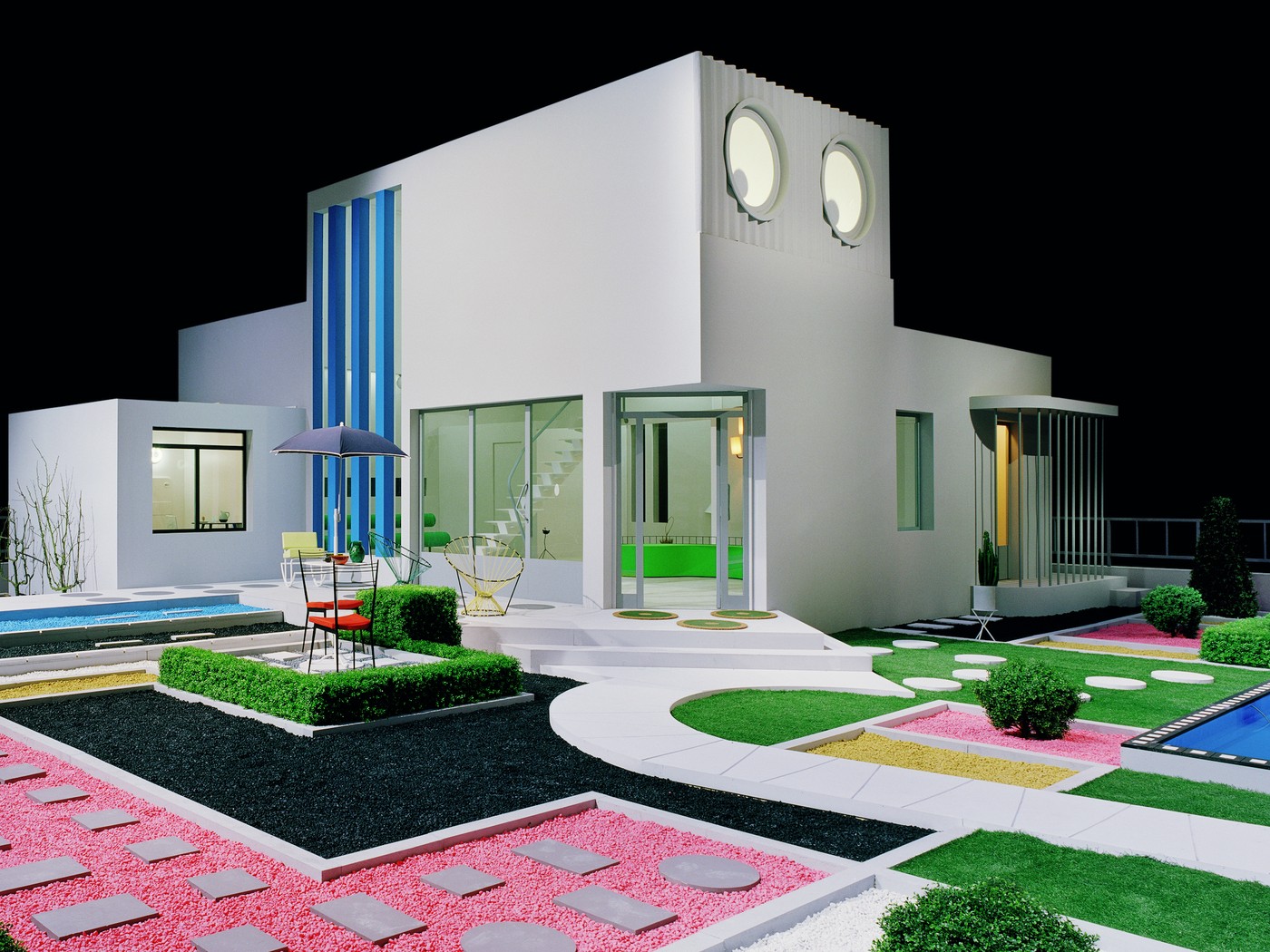
The one that makes fun of us. Jacques Tati’s Monsieur Hulot lives in a crooked, cheerful old quarter of Saint-Maur, where the neighbours talk and nothing quite works. His sister lives across town in the Villa Arpel, a brand-new modernist house with a stepping-stone garden, a fish fountain that is switched on only for visitors who matter, and a kitchen that buzzes and beeps at everyone in it.
The villa was designed for the film by Jacques Lagrange, and it is a beautiful thing, which is what makes the joke land. It is not a bad building. It is a building that has forgotten what it is for. Its two round upstairs windows become a pair of eyes at night, as its owners peer out into the dark. I think every interior designer should watch it once a year. It is the kindest warning I know against designing a house to impress the neighbours rather than to serve the family inside it. It won the Oscar for Best Foreign Language Film.
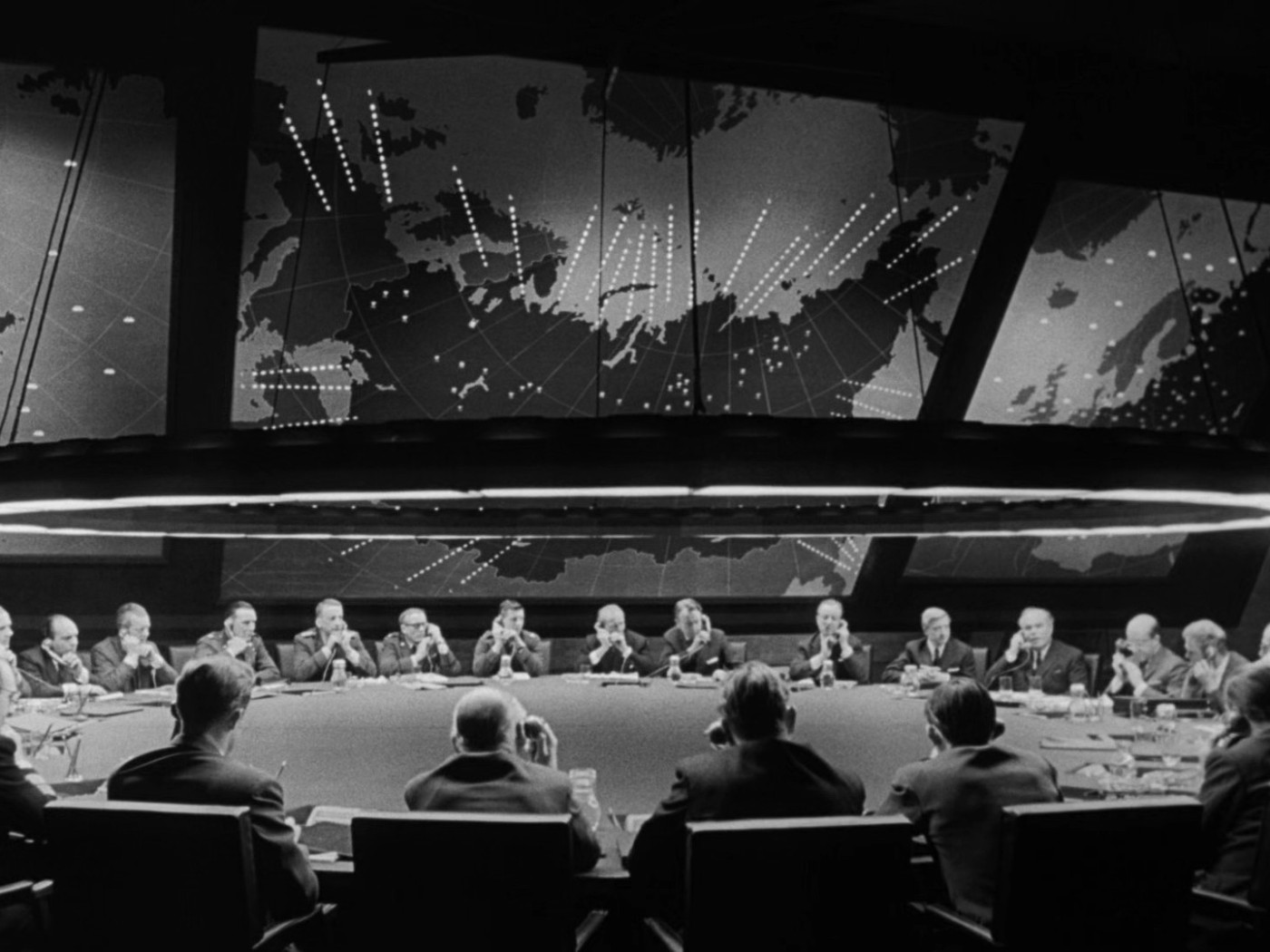
The one with the greatest room ever built. The production designer was Ken Adam, born in Berlin, who came to London as a boy and flew fighters for the RAF in the war. For Kubrick he built the War Room at Shepperton: a vast, dark triangle of concrete, a ring of lights hanging low over a huge round table, and a wall of maps glowing behind it. Steven Spielberg has called it the best set ever designed, and I have never heard a good argument against him.
What I learn from it every time is the power of a single gesture. The room is almost empty. Its drama comes from scale, from the shape of the plan and, above all, from that ring of light, which pulls every eye to the table where the end of the world is being discussed. The story goes that Adam had the table covered in green baize, like a poker table, even though the film is in black and white. Nobody would ever see it. He wanted the actors to feel it. That is a lesson in detail I have never forgotten.
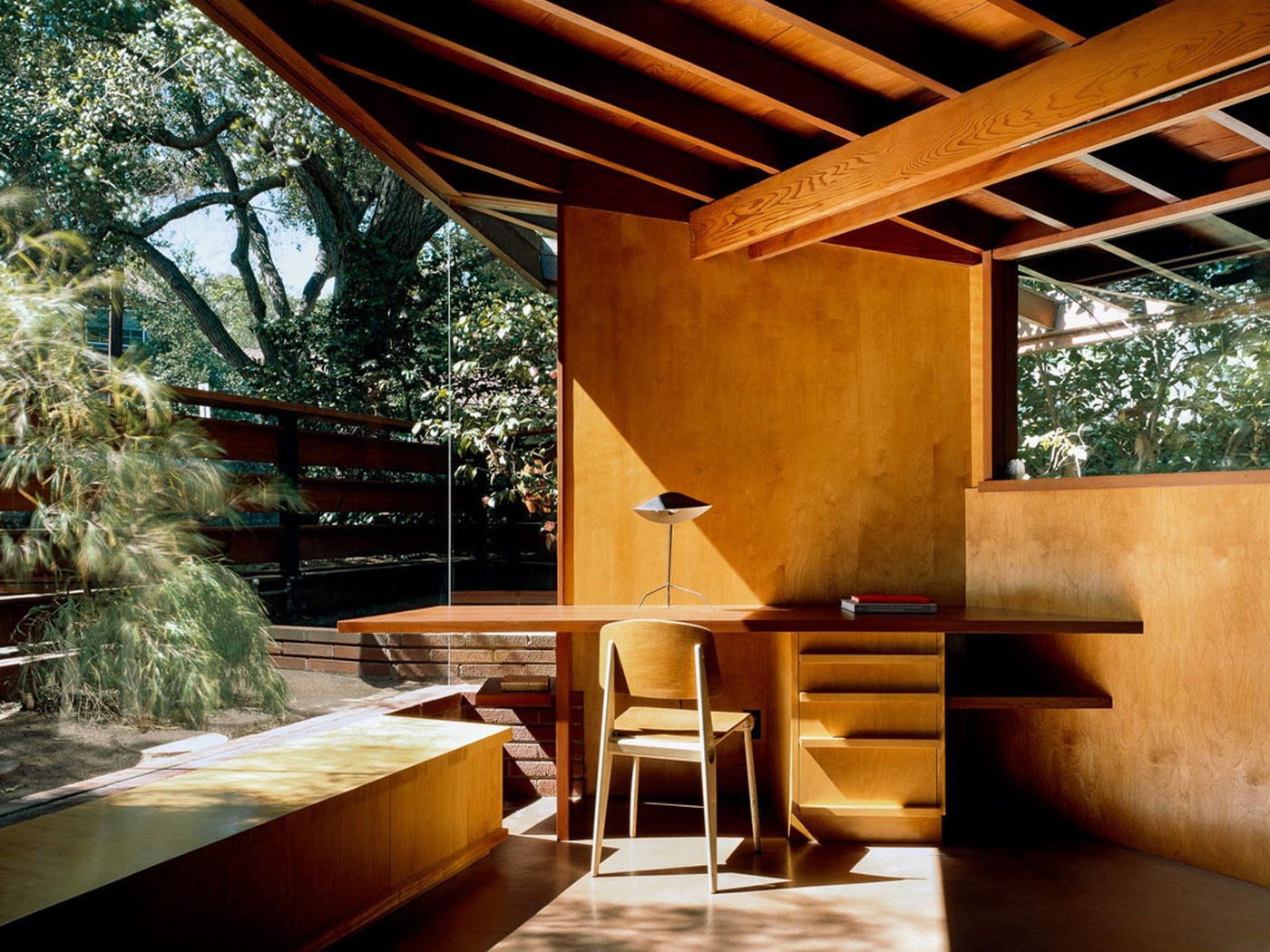
The one I would move into. Tom Ford’s first film is set in Los Angeles in 1962, over a single day in the life of George, a grieving English professor played by Colin Firth. George lives in the Schaffer Residence, a house John Lautner built in Glendale in 1949, and the production designer Dan Bishop, who also gave Mad Men its look, furnished it as though George had lived there for years.
It is the most beautiful modern house I have seen on screen, and the reason is warmth. Lautner’s glass walls and redwood beams open the house to the trees, and every room feels like a refuge with a view. Ford, a designer before he was a director, lets the camera rest on the details: the wood grain, the order on a desk, the light falling across a bed. The interiors do not decorate the story. They are the story, the private, ordered world of a man holding himself together.
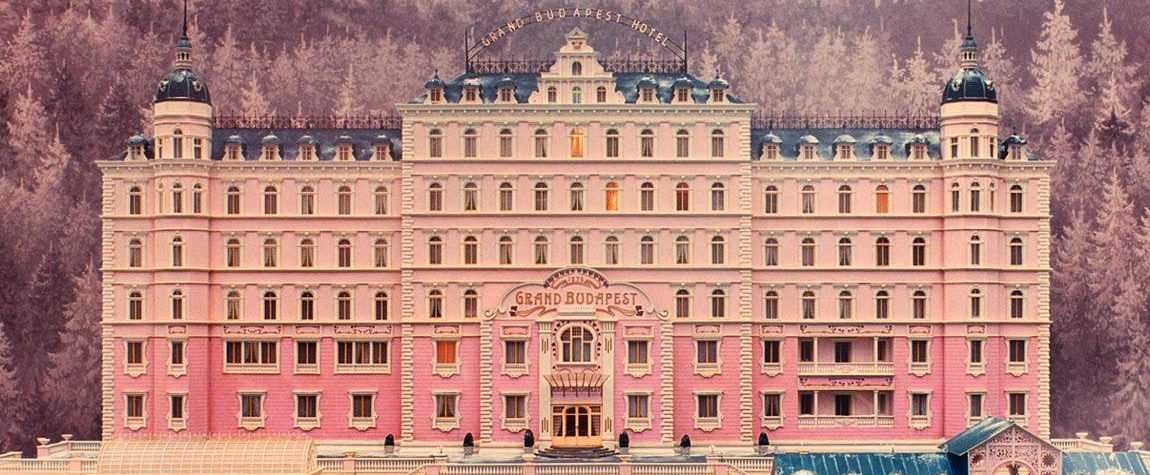
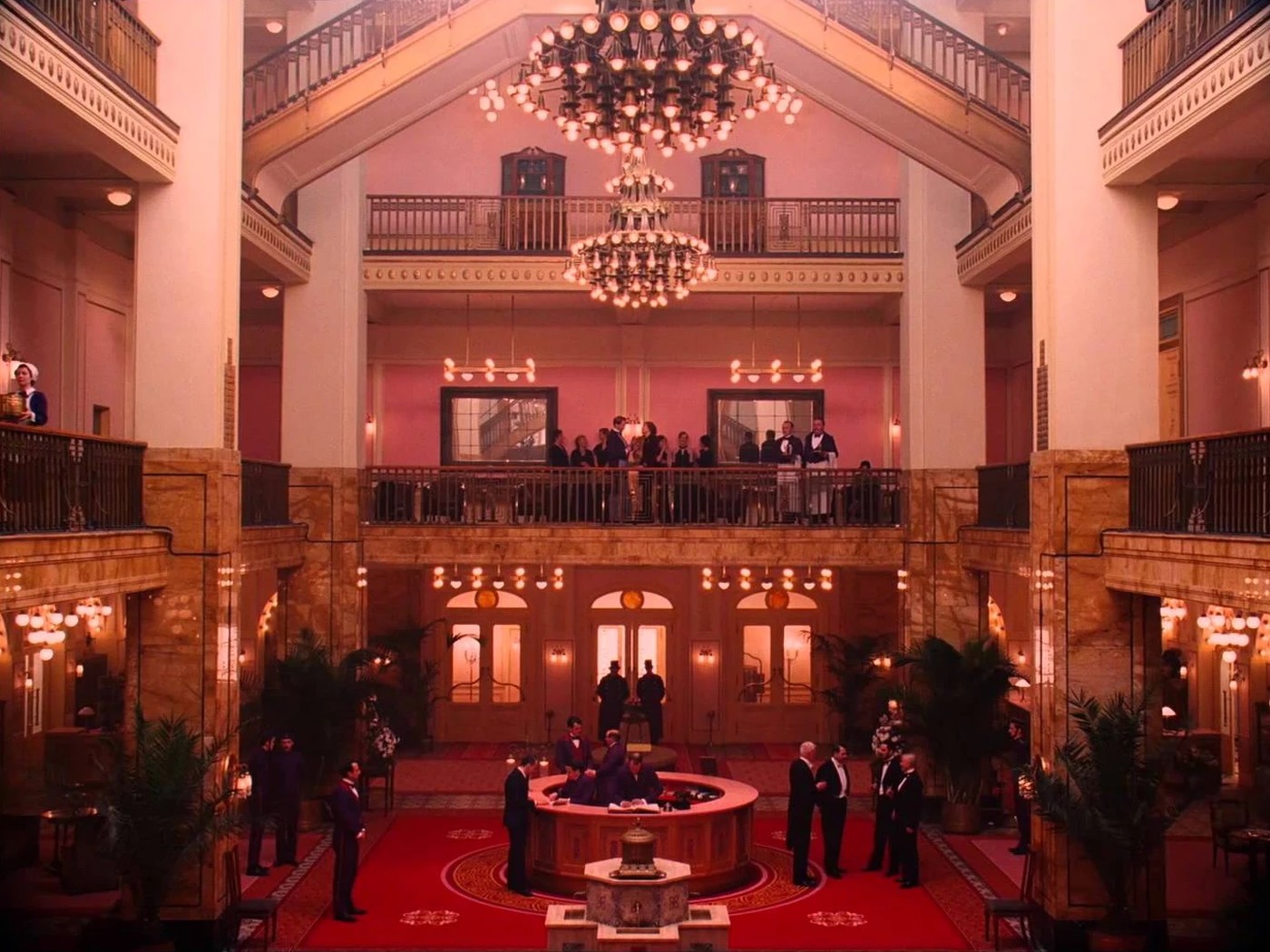
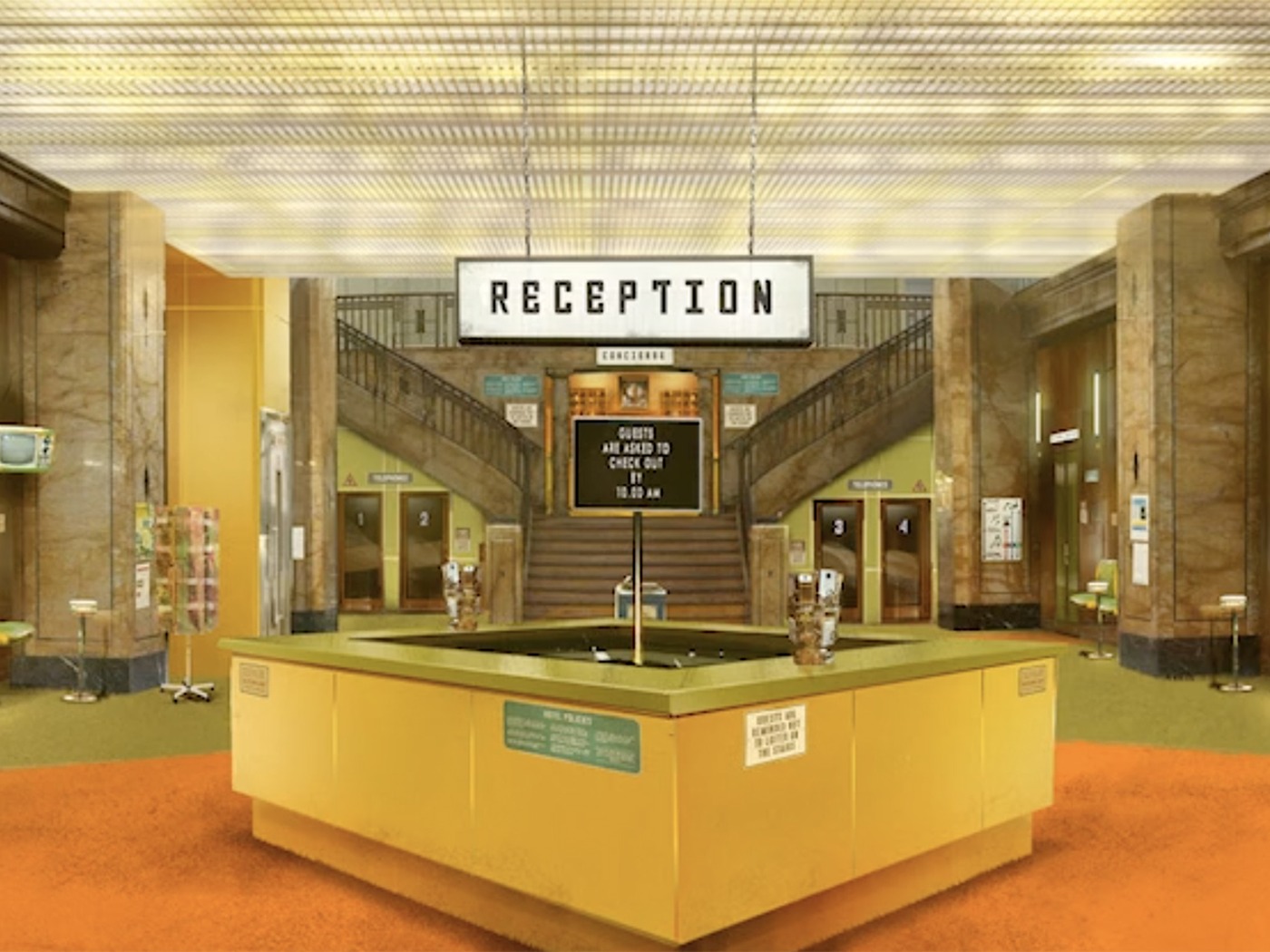
The one that shows how much colour can say. Wes Anderson’s fable is set in a fictional Alpine republic, and its hotel was found in an unlikely place: an empty Art Nouveau department store in Görlitz, on the German border with Poland. Adam Stockhausen, the production designer, and Anna Pinnock, the set decorator, won the Oscar for what they did with it.
They built the hotel twice. In the 1930s it is all pink and red, gilded and plush, with a lift like a jewel box. In the 1960s it has been made over in the institutional oranges and greens of the communist years, and it feels deflated. The same rooms, the same proportions, and an entirely different mood. I can think of no clearer lesson in how a palette changes the way a space feels, and in how much a room can lose when it is redecorated without love.
The one where the buildings are the cast. Columbus, Indiana, is a small Midwestern town with an extraordinary collection of modern architecture, because the industrialist J. Irwin Miller, through his company’s Cummins Foundation, offered to pay the architects’ fees for its public buildings. Eliel and Eero Saarinen, I.M. Pei and many others built there. Kogonada’s quiet film follows two strangers, played by John Cho and Haley Lu Richardson, as they walk the town and talk about why these buildings move them.
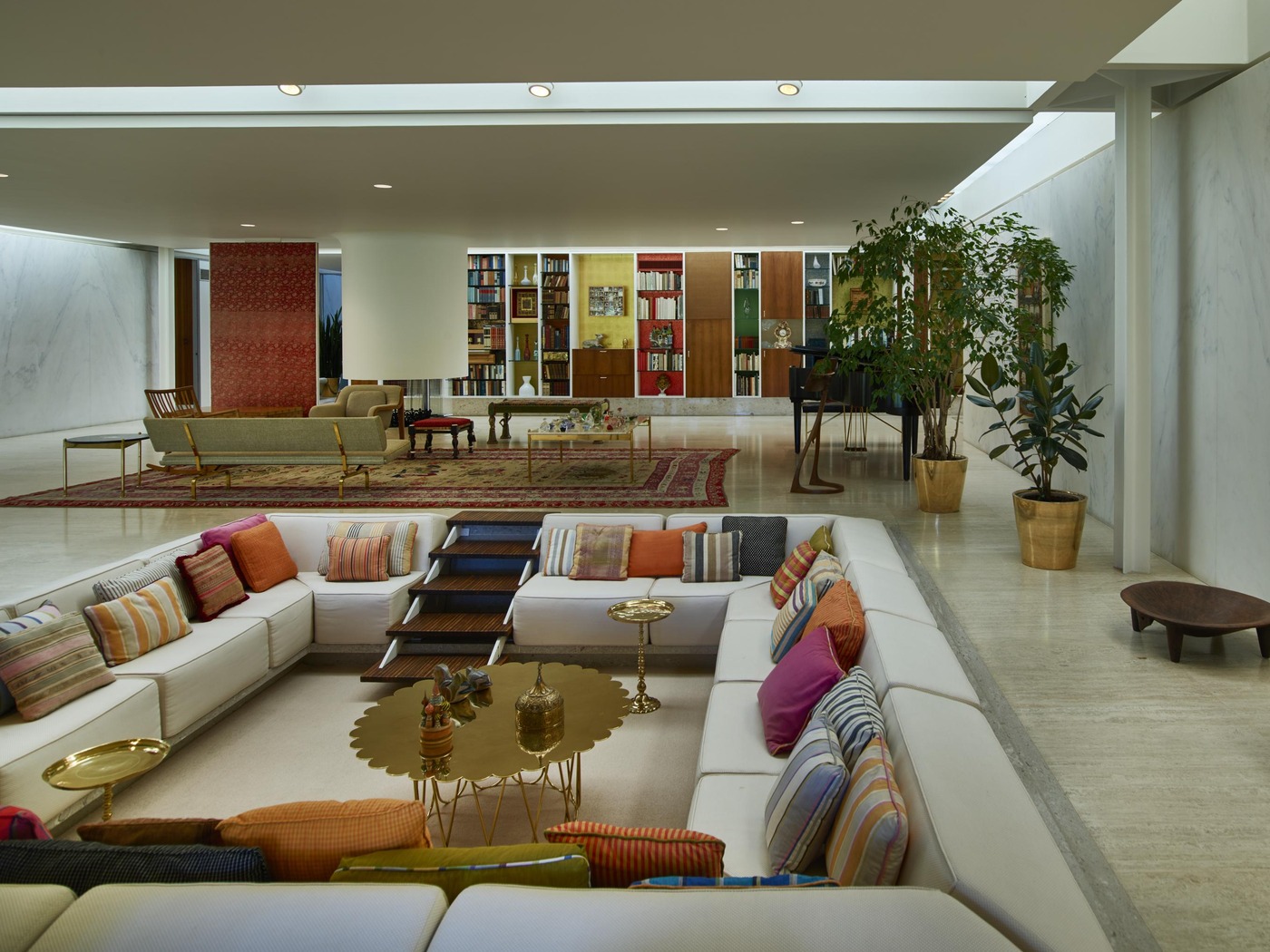
Its greatest interior is the Miller House, which Eero Saarinen designed for the family in 1957, with gardens by Dan Kiley and interiors by Alexander Girard: a long, low house with a sunken conversation pit at its heart, lined in Girard’s textiles. Kogonada frames every building with such patience that you start to see as an architect does. It is the best film I know about why good design matters to people who are not designers. It is also an argument for the Red Thread on the scale of a whole town.
A satire, a war room, a house in the woods, a pink hotel and a Midwestern town. What they share is that the rooms tell the story: the Villa Arpel about the Arpels, the War Room about power, George’s house about grief and order, the Grand Budapest about loss, and Columbus about what a place can do for the people who live in it.
That is what we try to do when we design a home: not to decorate it, but to tell the story of the people in it.
“We are constantly on the look-out for new as well as tried and tested answers to the questions of living our projects throw at us. Art, photography, film and travel offer alternative answers; every hotel, film set, colour palette and friend’s living room present a new scene of enquiry.”
— Staffan Tollgård
So watch them with the sound down, at least once, and ask what each room is saying. Places shape people, on screen as much as off it.
The rest of the series, and everything else from the studio, is in Studio news.
Photographs: Mon Oncle, the Villa Arpel by Benoît Fougeirol (2009), courtesy of Domeau & Pérès and Les Films de Mon Oncle; the War Room, from the original Dr. Strangelove trailer (Columbia Pictures, 1964), public domain; the Schaffer Residence by Joe Fletcher; header, the hotel’s façade and its lobby in the 1930s and 1960s, images from The Grand Budapest Hotel (Fox Searchlight Pictures, 2014), reproduced for the purpose of review; the Miller House by Carol M. Highsmith (2016), Library of Congress, public domain. The War Room via Wikimedia Commons.