Take Five. A series in which I empty my pockets and set out the things I keep going back to — magazines, hotels, books, restaurants, furniture and lighting brands — and try to say honestly why. It is not a ranking, and nothing in it is sponsored. Think of it less as a list of recommendations than as being handed the pile from beside my desk.
This time, five hotels I have actually slept in. The qualification matters. A hotel can photograph beautifully and still be exhausting to spend a night in, and you only find out which by waking up in one.
We are constantly on the look-out for new as well as tried and tested answers to the questions of living our projects throw at us. Art, photography, film and travel offer alternative answers; every hotel, film set, colour palette and friend’s living room present a new scene of enquiry.
So this is what I am testing when I stay somewhere. Where the light falls at seven in the morning. Whether the room has worked out where you would put a book down. How the corridor behaves at night. Whether the place knows what it is, or is hoping you will not ask.
Photograph: Business Slayer / Wikimedia Commons (CC BY-SA 3.0)
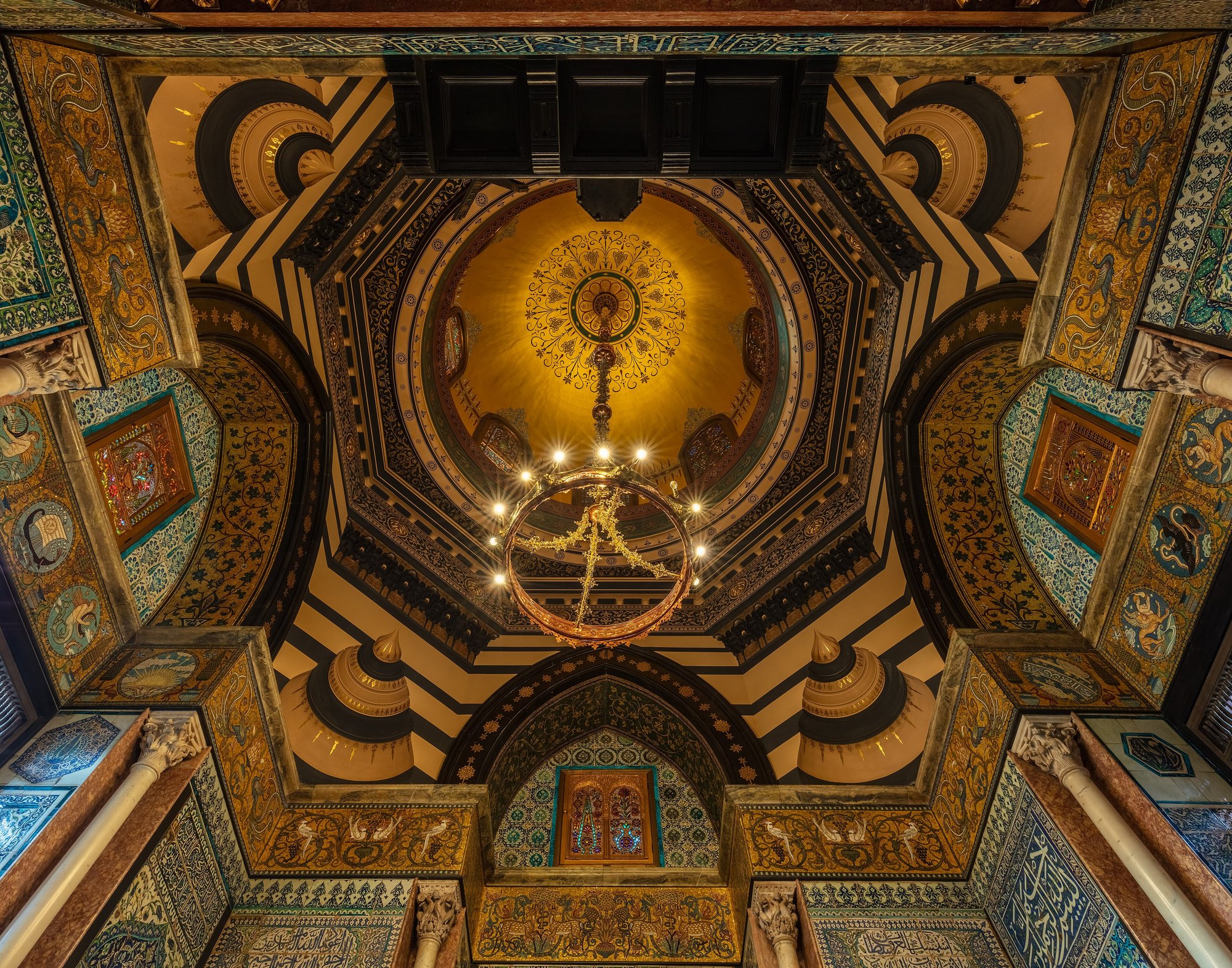
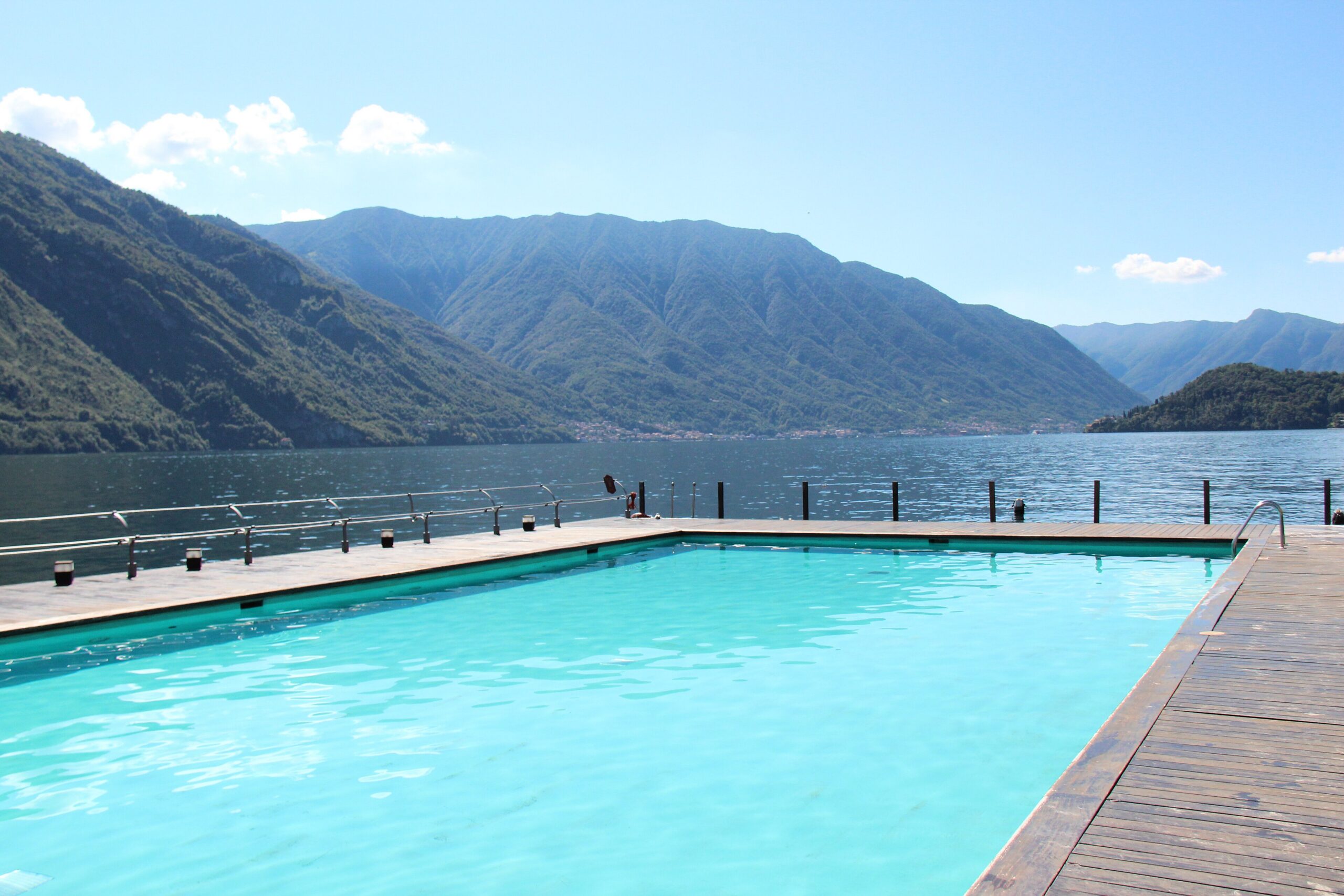
You step in and find you have been cast in a Wes Anderson film, and I mean that as praise. It opened in July 1910 in the Liberty style — Italian Art Nouveau — built by Enea and Maria Gandola for the Grand Tour traffic that made Lake Como an obligatory stop. The symmetry is relentless, the palette confident to the point of cheek, and the whole sequence staged: you arrive, you ascend, you are placed in front of the lake. Most hotels want you to feel at home. Tremezzo does the opposite and is better for it. It makes you feel you are in a production, and hands you a part.
Photograph courtesy of Portrait Milano
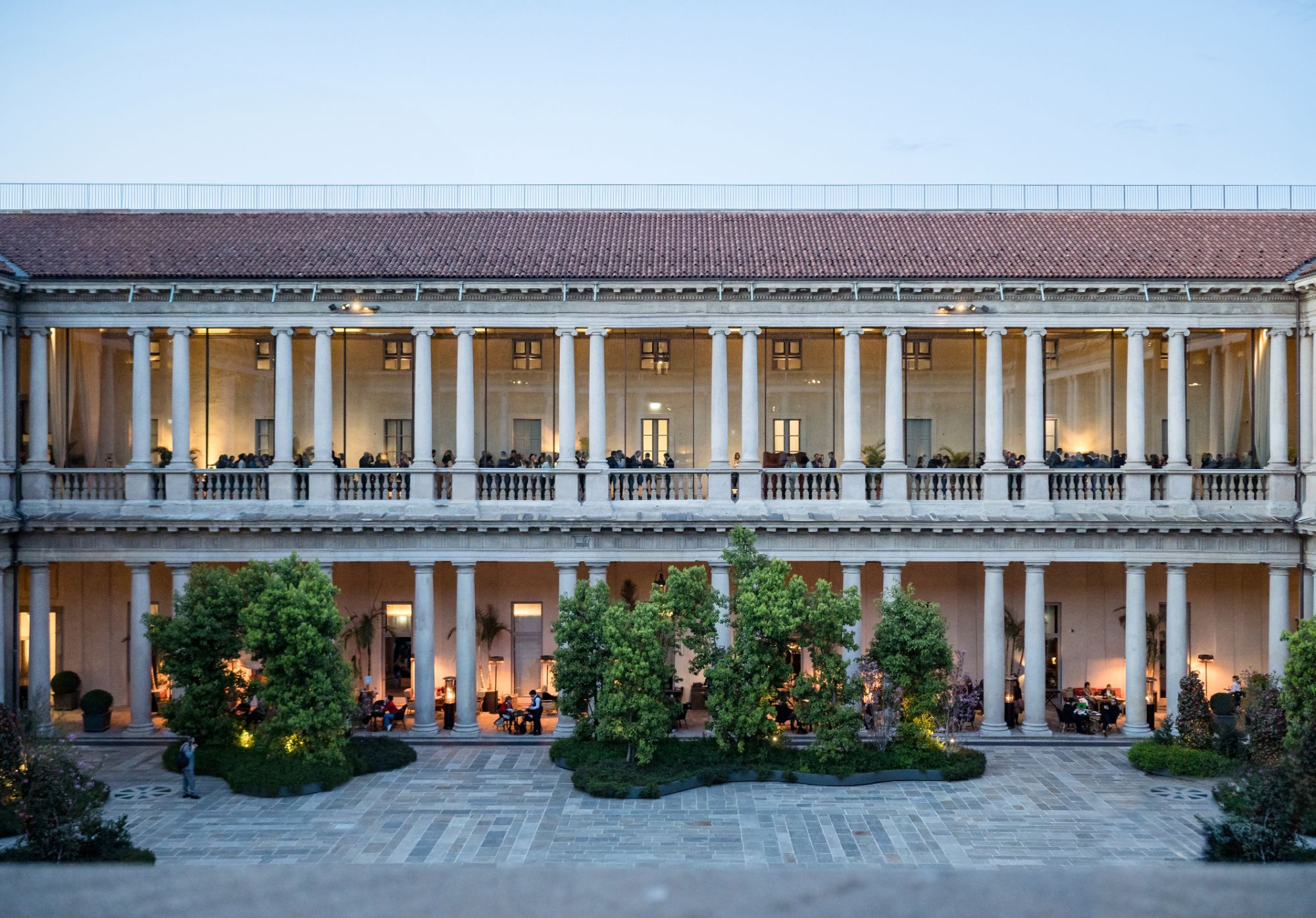
Here the building does the work. This was Milan’s Archiepiscopal Seminary, founded by Carlo Borromeo in 1564 and moved the year after into a former Humiliati monastery on Corso Venezia, where it stayed for four centuries. Michele De Lucchi’s studio handled the restoration, Michele Bönan the interiors, and it opened as a hotel at the end of 2022. What I admire is not the luxury, though there is a great deal of it. It is the decision to open the courtyard to Milan as a public piazza rather than keep it behind the gate. A cloister was always somewhere to walk and think. They have given it back to the city and built a hotel around it, which is more generous than it needed to be.
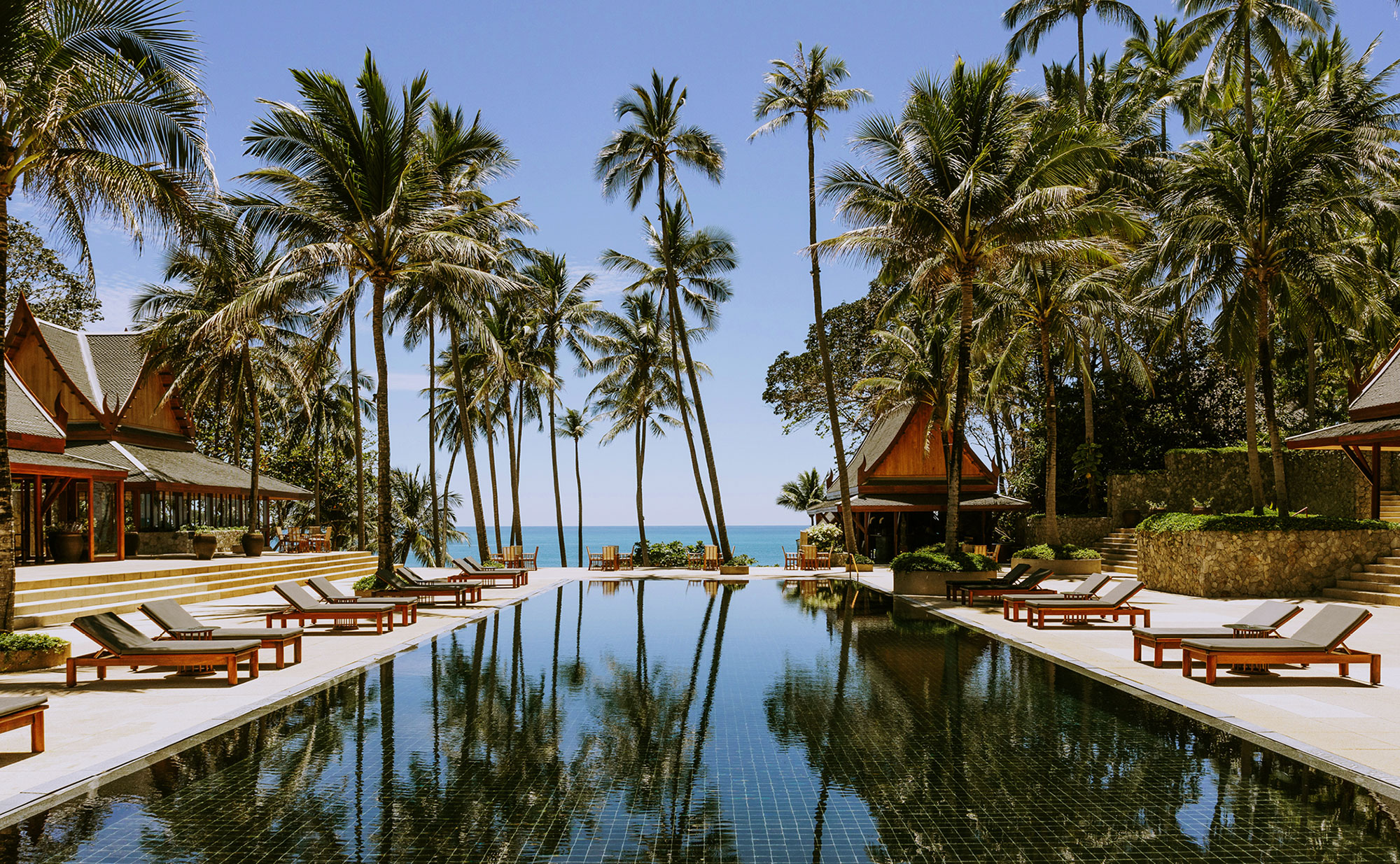
The one that changed the rules. Amanpuri opened on New Year’s Day in 1988 on a former coconut plantation above Pansea Beach, and nearly everything now taken for granted about the destination resort begins here — the pavilion in place of the corridor, the restraint, the local hardwood, the refusal to raise its voice. Ed Tuttle drew on Thai temple architecture, Ayutthaya above all, and lined the pavilions in teak. He died in 2020 and the industry is still quietly copying him. There are more than thirty Aman properties now; this is the one where you can still see the thinking before it hardened into a house style.
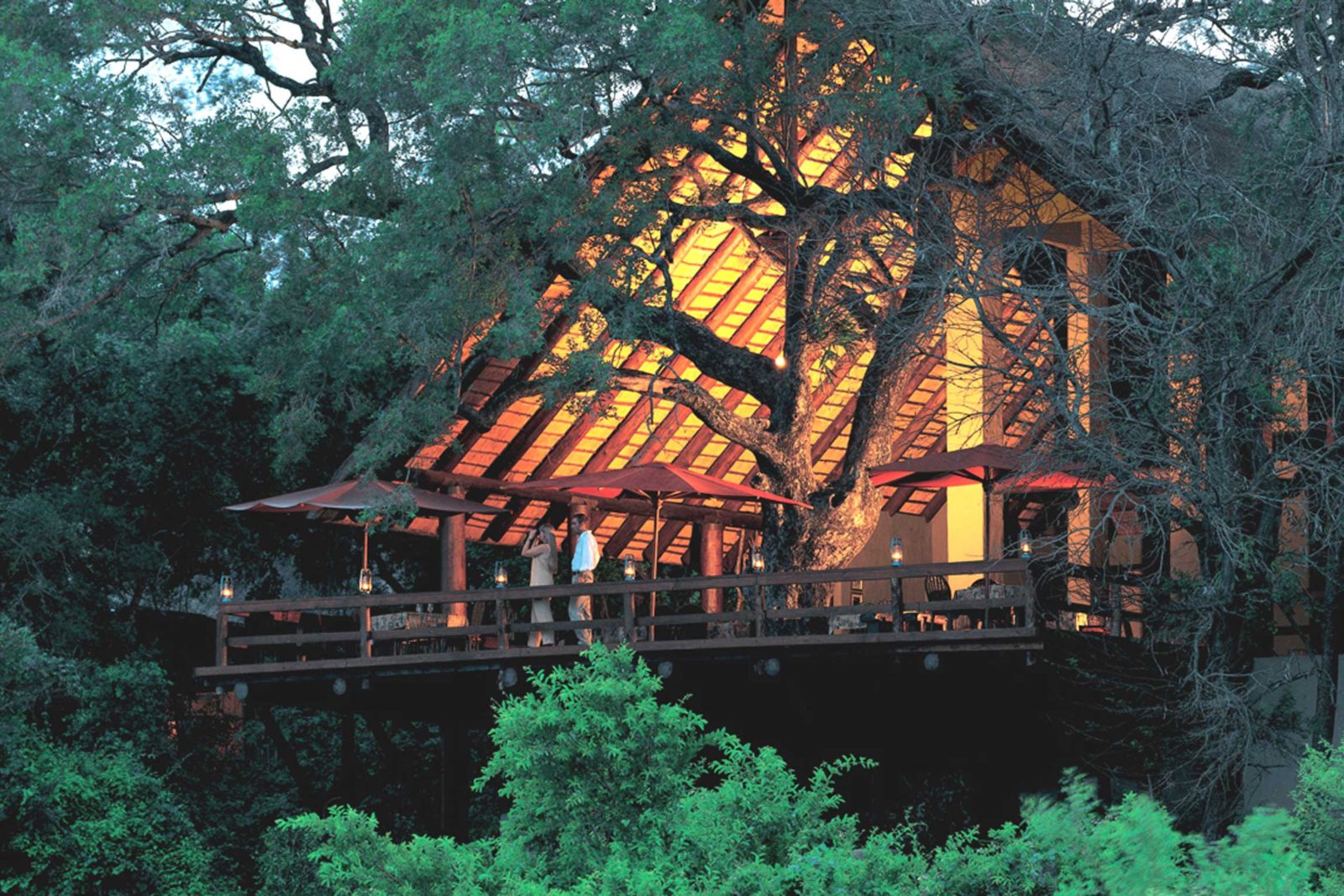
The only one here where the architecture is not really the point, and it belongs on the list anyway. The Varty family arrived in 1926 and took on a failing cattle farm. Rather than fence it, they persuaded their neighbours to take their fences down, which is how the Sabi Sand came about. In the 1970s they began the first deliberate leopard habituation programme in Africa — years of patient, unthreatening presence — and the descendants of those animals are still there. What the camp gets right is knowing when to stop building. You are given shelter, shade and a clear view out, then left alone with something much larger. Refuge and prospect, without a designer having to arrange it.
Photograph: Tim Street-Porter / Wikimedia Commons (CC BY-SA 3.0)
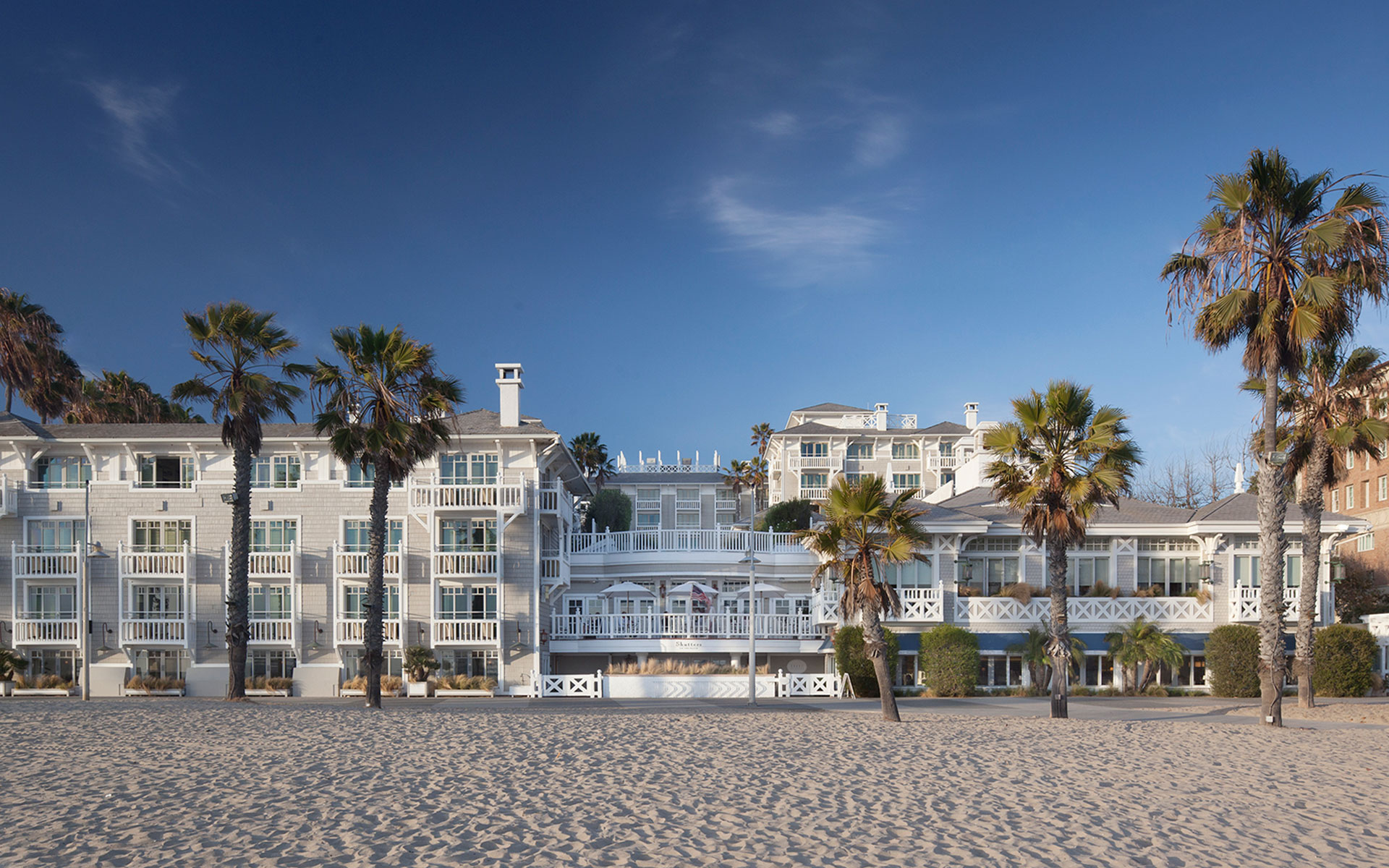
The one I remember with my body rather than my eye. The beach is immediately outside the back door, which matters more than it sounds: my clearest memory of the place is being out on the sand at five in the morning with our young sons, all of us wrecked by jet lag and entirely happy. It opened in 1993, the first hotel built on the sand in Los Angeles in decades, with a Craftsman exterior nodding to the Southern Californian cottages of the 1920s and interiors by Michael S. Smith. It does American preppy luxury without stiffness — deeply comfortable, wholly unbothered. A hotel that lets a family fall apart gracefully at dawn has understood something.
Set them side by side and they share almost nothing: a Liberty palace, a seminary, a Thai pavilion, a bush camp and a beach house. What they have in common is that each knows exactly what it is. None is trying to be all things, and not one of them is neutral. That is the same quality I look for in a room.
They also answer questions of living rather than questions of style. Where do you sit at seven in the morning? What happens when it rains? Where do the children go? A hotel has to solve all of that inside a week, for people it has never met — a harder brief than ours, and a useful teacher.
We have always designed with all of the human senses in mind. That’s because we design primarily for residential clients who live in — rather than look at — their homes.
A hotel is the same test, compressed into a few nights. These five pass it.
Next in the series: Take Five — My favourite Danish brands