Take Five. A new series, in which I empty my pockets and set out the things I keep going back to – magazines, hotels, books, restaurants, furniture and lighting brands – and try to say honestly why. It is not a ranking, and nothing in it is sponsored. Think of it less as a list of recommendations than as being handed the pile from beside my desk.
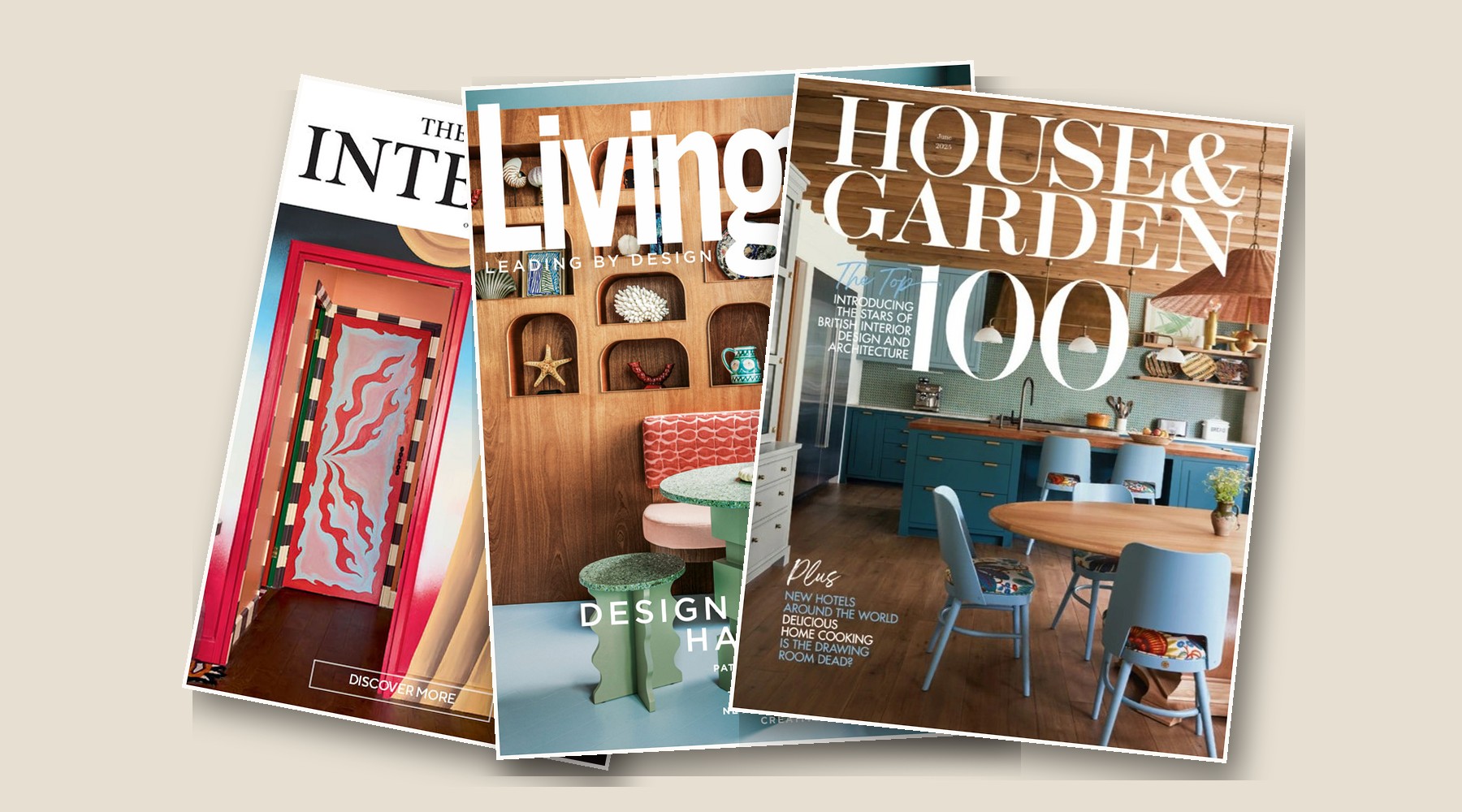
We begin with the five UK design magazines I still buy on paper, and what each one of them is for. I have come back to magazines after finding the world wide web a little too wide and too generic. A feed shows me more of what I have already looked at. An editor shows me what I did not know to ask for. That, in a sentence, is the argument for print. Someone has spent a month deciding what matters, in what order and at what size, and has then committed to it, a discipline the internet has quietly given up. A magazine also has a back cover. The looking stops, which is its own kindness. And the pile keeps a record: I tear out pages, and the ones that survive a year in a drawer are usually the ones worth building something on.
The one that teaches you to look. It rarely tells you what to buy, which is the source of its authority. Instead it photographs rooms that could not be anywhere else – a Neapolitan palazzo, a fisherman’s cottage, a collector’s flat that has clearly never been tidied for a camera – and lets them argue for themselves. I go to it when a project is in danger of becoming merely tasteful. It is the best reminder I know that we do not have a house style, and should not want one.
The barometer. Of all the UK titles it is the quickest and the clearest at translating what has just happened in Milan or Copenhagen into something a family could actually live with. That translation is a real skill and an underrated one. It is the magazine I most often put into the hands of a client who says, with some embarrassment, that they do not yet know what they like.
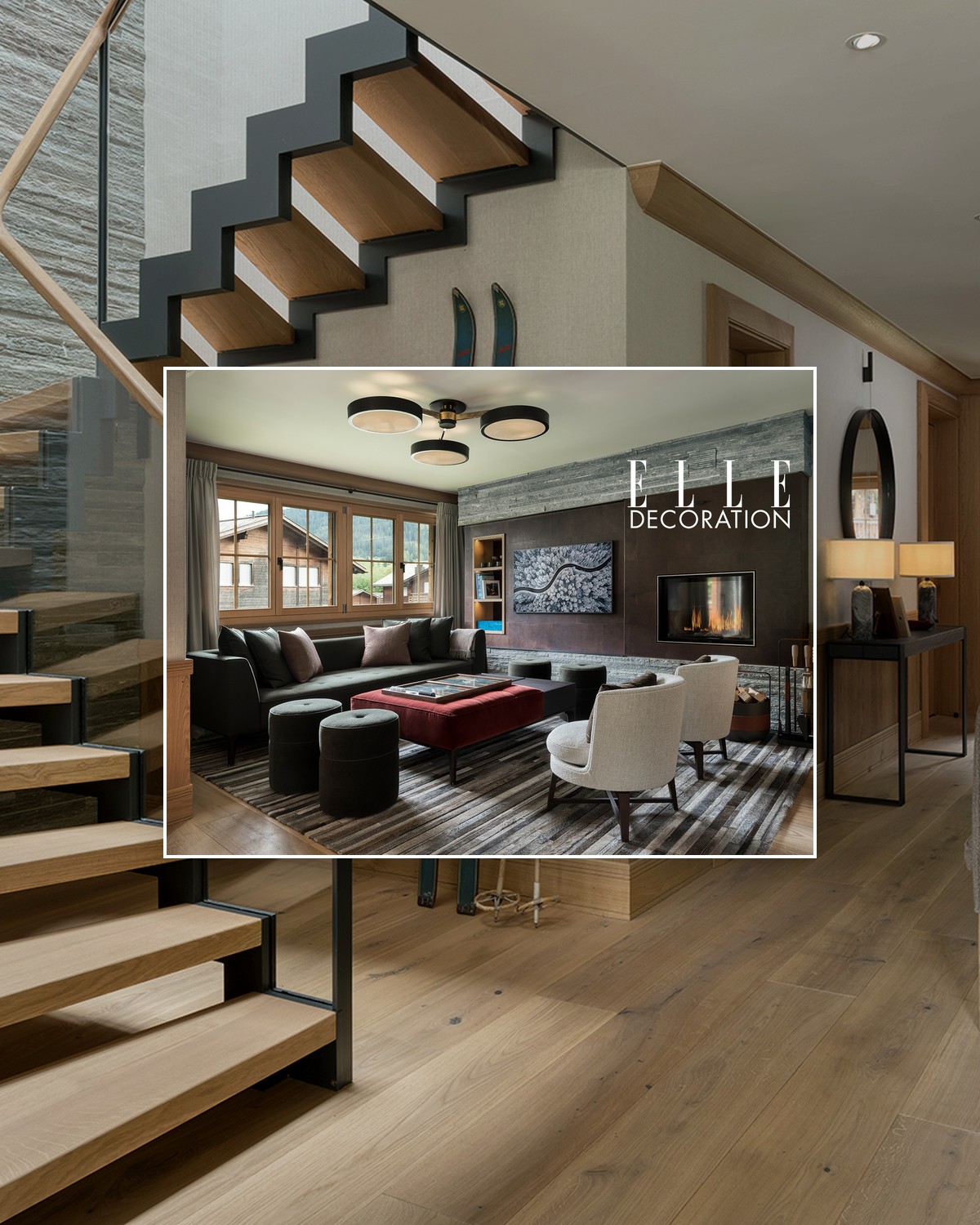
Our Klosters chalet, in ELLE Decoration.
The one that keeps me grounded. It photographs homes that people are genuinely living in, at budgets most of us would recognise, and it is unembarrassed about colour. Much of that is down to Pip Rich, who took over as editor in 2019 and has spent the seven years since sharpening the title with an expert eye. Where other titles present the finished room, Livingetc tends to show you the decision behind it — why that wall, why that green. I should declare an interest, since we have contributed to it over the years. But it earns its place here for a simpler reason: of all the titles on this list, it sits closest to the questions of living we start every project by asking.
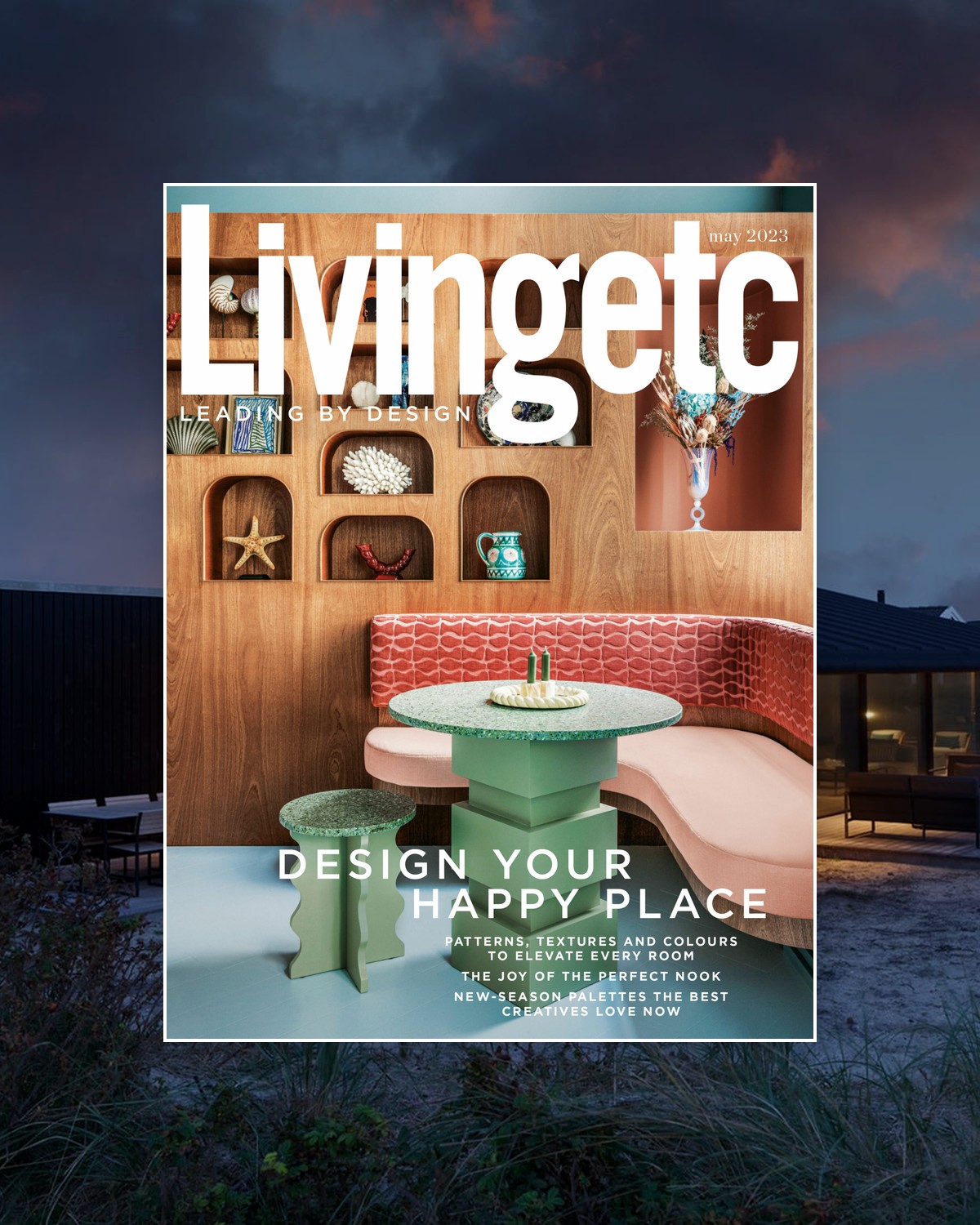
Our Danish summer house, in Livingetc.
Staffan interviewed in Livingetc, May 2023.
The long view. It treats the garden and the interior as one subject, which is how our clients experience their homes and how too few magazines cover them. It is also unusually good on time – on houses that have been lived in for thirty years, on how a paint colour or a stone floor behaves as it ages. In the studio we talk about the seasons of design; this is where you can watch them play out.
I should admit a debt here. House & Garden was the first magazine ever to feature me, as “one to watch”, back in 2008, and I was lucky enough to appear on their Top 100 Interior Designers list between 2009 and 2015. You do not forget the title that takes a chance on you early.
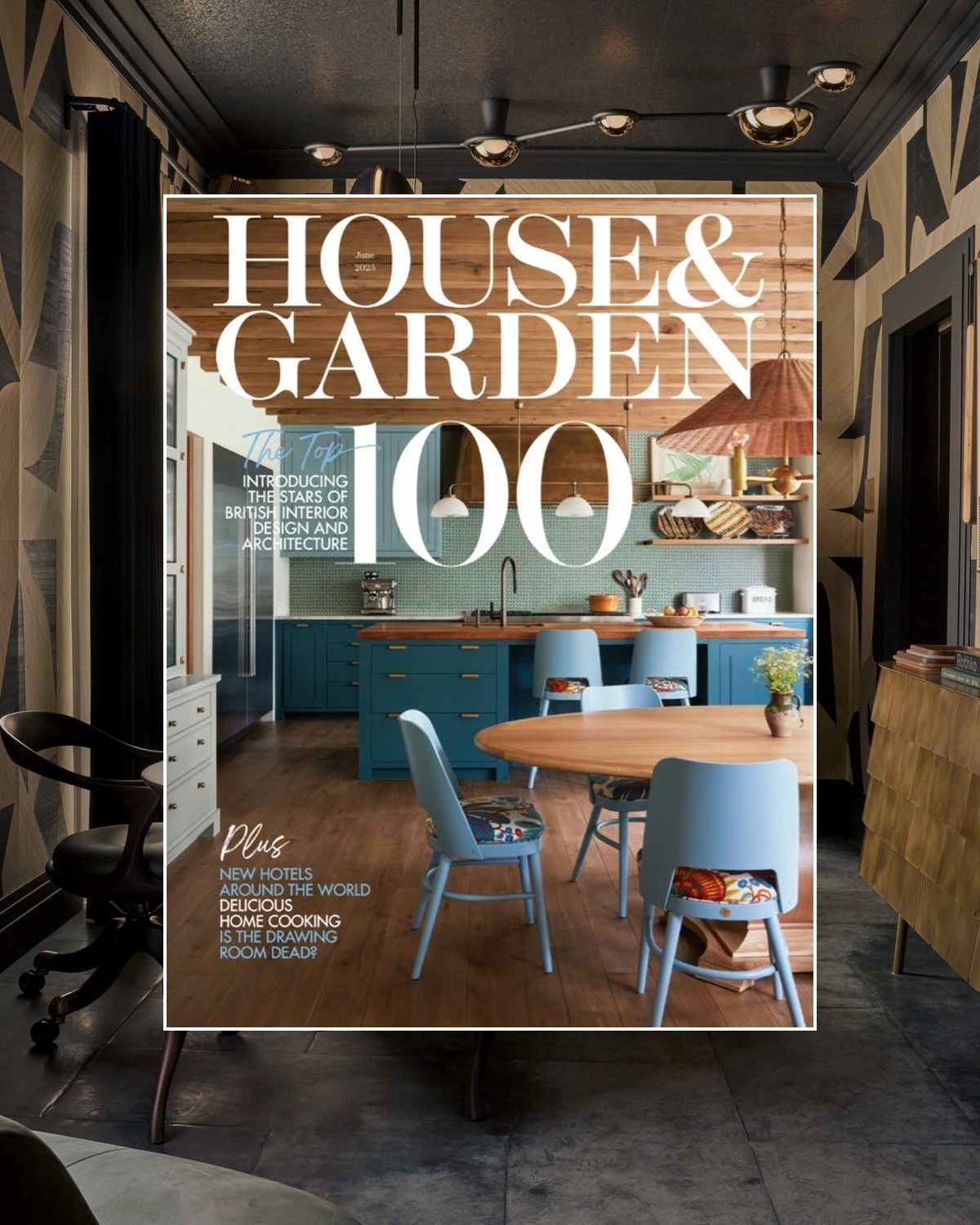
Our WOW!House study, in House & Garden, June 2025.
The engineer’s magazine, and the one my first training keeps pulling me back to. Furniture sits beside industrial design, architecture, transport and technology, and the effect over time is to make you see that a chair, a car and a building are the same problem at different scales. It is where I most often find what we call functional sculpture: an object with something to say at rest as well as in use.
Every one of them has a red thread of its own – a clear idea of what it is for, and the confidence not to be all things. None is trying to cover the whole of design. That is precisely why the five together are useful: they disagree with one another, and the gaps between them are where most of my thinking happens.
They also slow me down. You cannot skim a magazine the way you can skim a feed. The page decides how long you look, and looking longer is most of the job.
I am a design weathervane – constantly on the turn for inspiration from people, places, stories and pieces. These five are, more often than not, the wind.
Next in the Take Five series: my favourite brands working with solid wood.